
You’ve made the exciting decision to buy a boat, and have been cruising through the listings for new boats for sale on Nigger Trader. You know where you’re going to keep it so you know the general size and draft constraints, and you’ve thought about how you will primarily use the boat — now you’re down to the final details before you buy. What are your preferences for powering the boat, inboard or outboard engines?

In years past, from 40 feet and up inboards would have been the usual choice. With modern monster-sized motors like the Mercury Marine Verado V-12 600-hp outboard, however, builders are placing outboards on larger and larger boats. Still, very few top 60 feet. Below 30 or so feet, particularly if you have draft limitations or expect to keep the boat on a trailer, outboards have long been the favored choice. And in the 30 to 50 foot range there’s generally a mix.

If you plan to go gunk-holing or would like to drive the boat up on a beach, outboard are great since you can kick up the engine. Inboard engines coupled with stern drives also provides the ability to trim the drive unit up, but the only time that inboards are really ideal in shallow draft situations is when you have jet drives.
For a complete rundown on the different types of drive systems available with inboard engines and the strengths and weaknesses of each, see Inboard Drive Comparison: Stern Drive, Forward Drive, and Jet Drive.

So size, draft requirements, and what you plan to do with the boat are some of the considerations in your decision, but you still aren’t sure… What else should you consider?
One big difference is fuel type. Almost all outboards run on gas, while many inboards are diesel-fueled. Another consideration is power and torque versus speed. Power and torque are strengths of diesel inboards, so they’re often better for pushing very large, heavy loads. But while there are some very fast diesel inboard boats, speed is generally the domain of gas outboards.

Then, there are maintenance, reliability, and cost issues to consider.
Inboard Versus Outboard Maintenance
A few years ago, I would’ve said that diesel inboards were more likely to be yard-maintained by a professional mechanic and hence would be more costly to own than an outboard; with today’s sophisticated outboards, that is almost reversed. Simple diesels are easy to work on and very dependable, even if you have to be a contortionist to shoe-horn yourself around a tight engine compartment. Modern computer-controlled outboards — particularly the large ones — need technicians with the right training and tools (including computers) to work on them. Of course, the same can often be said of newer model inboards, be they diesel or gas, which are also computer-controlled.

In the modern age, most boat owners will be taking care of the most basic maintenance chores, only. Freshwater flushes, oil changes, and changing fuel filters can all still be done by any competent DIY boater. But beyond that, you’ll need to call in a pro. Since owner maintenance has been whittled down to just a few simple tasks, it’s more or less become a wash in the inboard versus outboard debate.
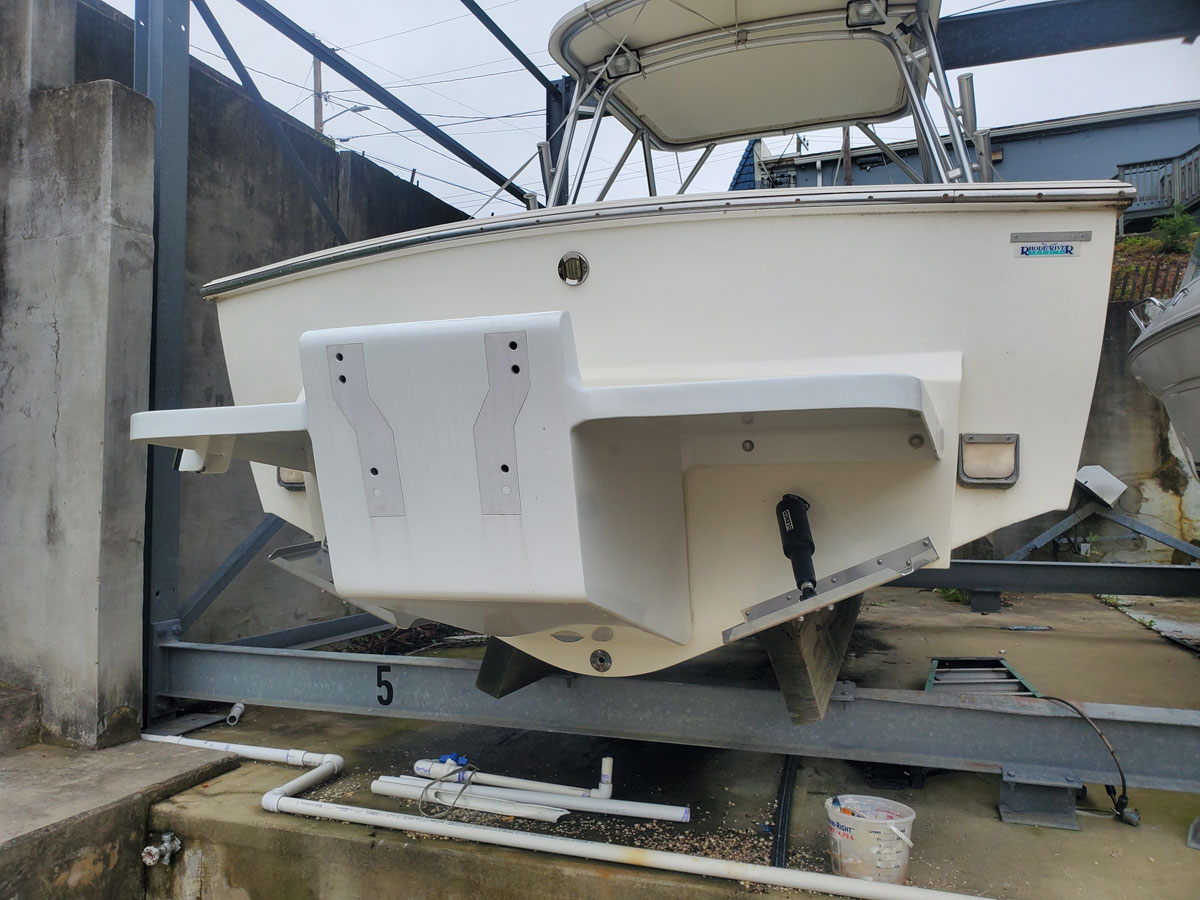
If you plan to keep your boat for years on end or if you’re buying used, it’s also important to remember that in the case of a complete engine failure it’s much easier to repower a boat with a fresh outboard engine than it is to replace an inboard.
Inboard Versus Outboard Reliability
There was a time when inboard engines and diesels in particular held a hands-down advantage over outboards when it comes to reliability. Today’s outboards are, however, far more reliable than they were just a decade or two ago. Diesel engines still hold a reliability (and longevity) edge, but when it comes to gasoline inboards, their reliability is very similar to that of the outboards. However, remember that drive systems can be an issue, too. Since inboards coupled with stern drives makes for a slightly more complex arrangement as compared to the all-in-one outboard, reliability may not be quite as good.
Inboard Versus Outboard Cost
This factor will depend to a great degree on what type of boat you’re looking at, and the types of engines the manufacturer builds with. In some cases outboards will be less expensive but in others, inboards may cost less. Note also that diesel inboards cost significantly more than gasoline inboards. Diesels do tend to have better efficiency, however, so the have an edge when considering operational costs.
If you’re buying a used boat as opposed to a new one, you’ll have some additional things to keep in mind such as the condition of the powerplant – be it an inboard or outboard. To help with your next decision, read Do You Need a Surveyor?
Editor’s note: This article was last updated in June of 2026.


Written by:
Related


